An uneven or poorly prepared foundation can cause a backyard shed to settle unevenly, develop floor problems, and place unnecessary stress on its structural components. Rainwater accumulation and shifting soil can make these issues worse, particularly when the ground remains saturated for extended periods. Proper foundation preparation helps create a stable base, manage moisture, and support long-term performance. This article explains the essential preparation steps, foundation options, and site considerations that help homeowners build a more reliable backyard storage shed.
How Does Foundation Preparation Improve Shed Stability?
Foundation preparation creates a level, stable, and well-drained base that distributes a shed’s weight more evenly. It helps minimize uneven settling, reduces moisture exposure, and supports the floor and framing system. The appropriate approach depends on soil conditions, shed size, site drainage, and the manufacturer’s installation requirements.
When the ground beneath a shed shifts or compresses unevenly, the structure may become misaligned. Doors can stick, floors may slope, and joints can experience additional stress. These problems can affect everyday usability and lead to repairs that could have been avoided with better site preparation.
A properly prepared foundation helps maintain the shed’s alignment while providing a dependable base for storing tools, gardening supplies, outdoor equipment, and seasonal belongings.
Which Ground Conditions Should Homeowners Evaluate Before Installation?
Before construction begins, the installation area should be assessed for soil stability, slope, drainage, and potential water accumulation. These factors influence foundation selection and help determine whether additional grading or ground preparation is necessary.
Key considerations include:
- Soil composition: Loose, poorly compacted, or highly compressible soil may require additional preparation to support the structure consistently.
- Ground slope: Uneven terrain can complicate installation and encourage water to collect near the shed unless the site is appropriately graded.
- Drainage patterns: Areas that regularly become muddy or retain standing water may increase moisture exposure around the foundation.
- Vegetation and organic material: Grass, roots, and decomposing topsoil can create an unstable base if left beneath the foundation.
- Access and clearance: The selected location should accommodate construction, door operation, and practical movement around the finished shed.
A careful site assessment helps identify potential problems before they affect construction quality or the shed’s long-term performance.
What Foundation Options Work for Backyard Storage Sheds in Washington State?
Foundation options for backyard storage sheds in Washington State commonly include compacted gravel bases, concrete pads, and properly designed pier systems. The right choice depends on the shed’s dimensions, ground conditions, drainage requirements, and applicable local building regulations.
Compacted gravel base: A properly prepared gravel base can provide a stable, free-draining surface for many smaller storage sheds. Its performance depends on suitable aggregate, adequate excavation, effective compaction, and proper edge support.
Concrete pad: A concrete foundation offers a firm, durable surface when appropriately designed and installed. Drainage, slab dimensions, moisture management, and any required anchoring should be considered before construction.
Pier foundation: Properly designed concrete or other approved piers can support selected structures while accommodating certain site conditions. Their placement, depth, and load-bearing capacity must suit the soil and shed design.
Not every foundation is suitable for every property. Homeowners should confirm the manufacturer’s requirements and applicable local codes before choosing a system.
How Can Drainage and Moisture Control Protect the Foundation?
Effective drainage directs water away from the shed and reduces prolonged exposure to saturated soil. This is particularly important in areas of Washington that experience frequent rainfall, where poorly managed runoff can soften the ground and contribute to uneven settlement.
Several practical measures can improve moisture management:
- Establish suitable grading: Shape the surrounding ground so surface water flows away from the foundation.
- Use appropriate base materials: Select and compact foundation materials according to the chosen system and site conditions.
- Manage roof runoff: Position gutters, downspouts, or other drainage measures where appropriate to prevent concentrated discharge beside the shed.
- Maintain ground clearance: Keep wooden components separated from soil and standing water as required by the design.
- Inspect after heavy rainfall: Check for erosion, pooling, exposed foundation edges, or changes in the surrounding ground.
These measures help protect the foundation while reducing conditions that can contribute to timber deterioration and structural movement.
How Does a Timberline Backyard Storage Shed Benefit from Proper Site Preparation?
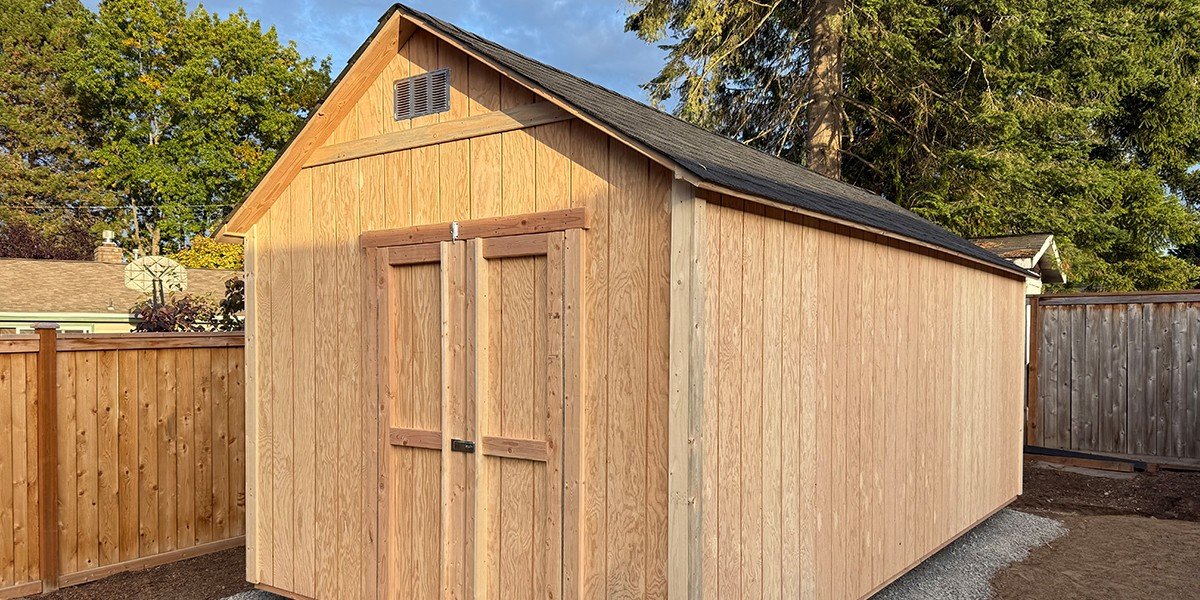
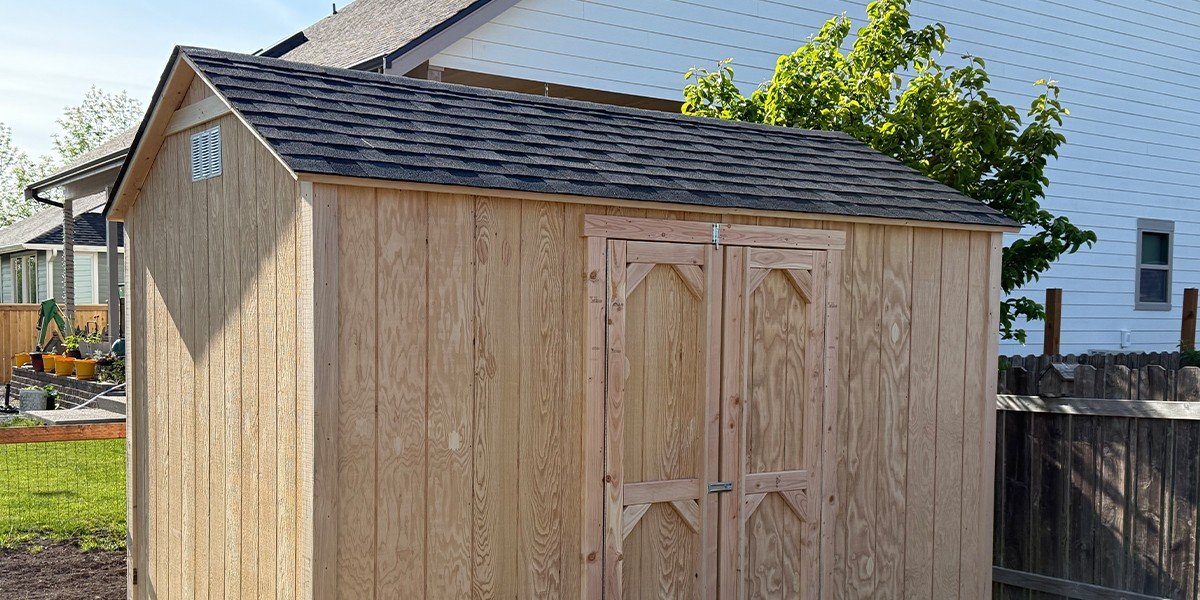
A Timberline Backyard Storage Shed can perform more reliably when its foundation is suited to the property and installed according to the shed’s requirements. A stable base supports proper floor alignment, helps doors operate smoothly, and provides a sound starting point for the walls and roof.
Northwest Sheds offers built-on-site wooden sheds that can be tailored to individual storage requirements, including dimensions, doors, windows, and shelving. Preparing the installation area carefully helps ensure that these customized features function as intended.
However, foundation preparation is only one part of a durable shed. Material quality, framing, roof design, fastening, weather protection, and routine maintenance also contribute to long-term performance.
Build a More Stable Foundation for Long-Term Shed Performance
A well-prepared foundation helps prevent uneven settling, supports structural alignment, and improves moisture management. Evaluating soil conditions, selecting suitable foundation materials, and directing water away from the installation area can help homeowners avoid preventable maintenance problems.
For those considering backyard storage sheds in Washington State, Northwest Sheds provides customizable, built-on-site wooden storage solutions designed around individual needs. With appropriate foundation preparation and consistent maintenance, a Timberline Backyard Storage Shed can provide practical, dependable storage while supporting the long-term usability of the backyard space.