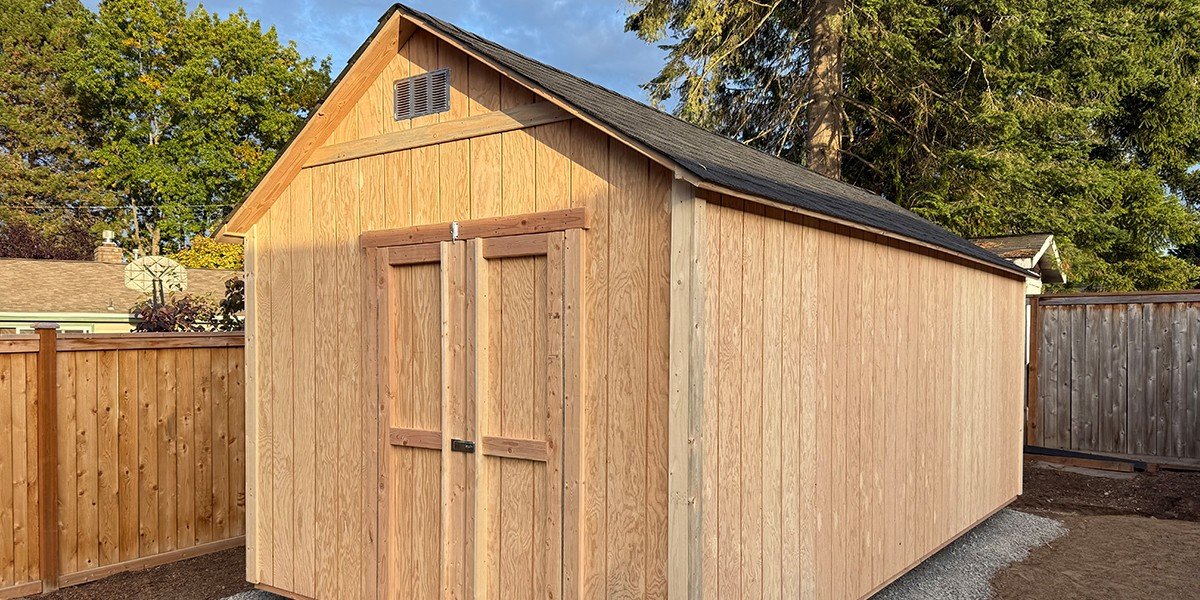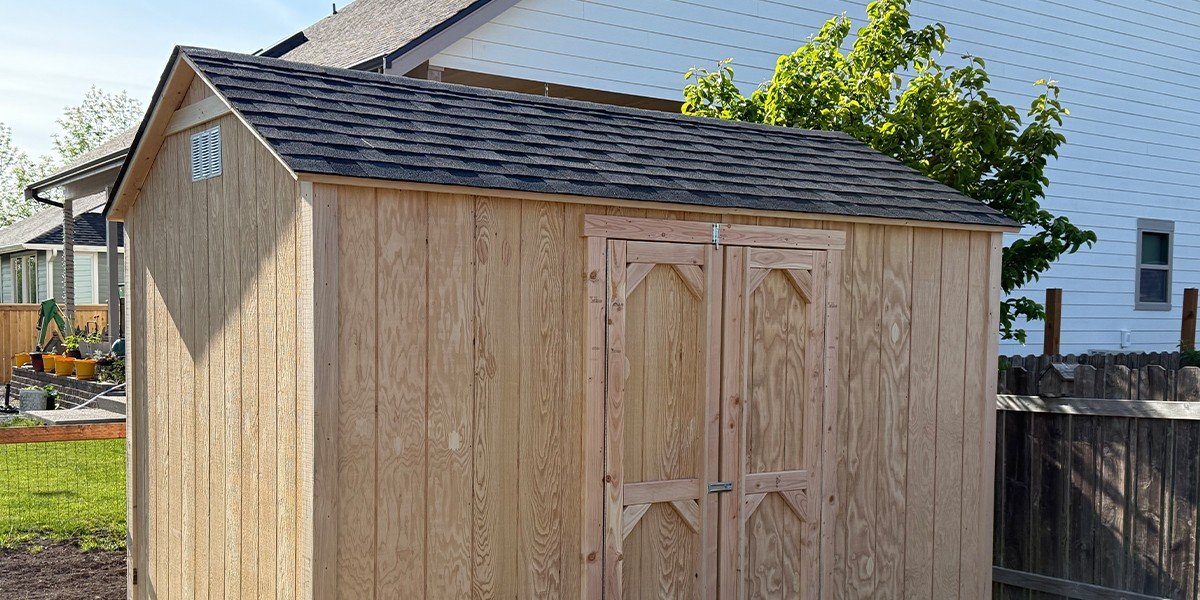
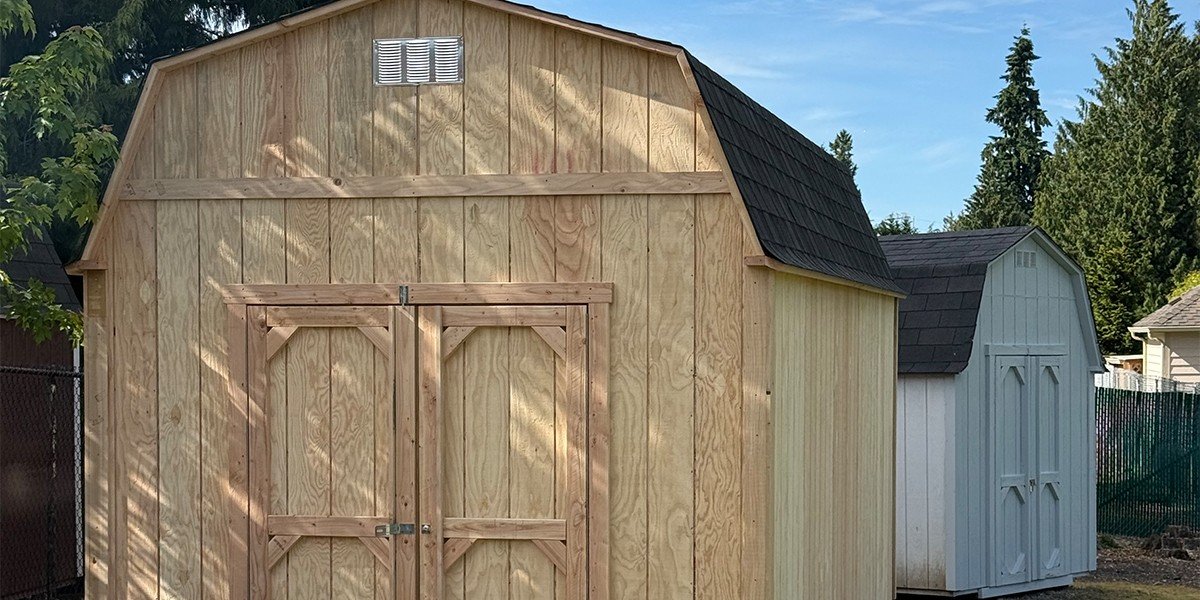
Exposure to rain, persistent moisture, and changing temperatures can gradually weaken wooden structures, leading to rot, surface deterioration, and expensive repairs. Without appropriate protection, even well-built storage sheds may develop problems that affect their stability and service life. Understanding how wood treatment works helps homeowners make informed decisions about protecting their outdoor storage investments. This blog explains the importance of wood treatment, the methods that help prevent decay, and the maintenance practices that support long-term shed performance.
How Does Wood Treatment Protect Against Rot?
Wood treatment helps protect timber against moisture-related deterioration, fungal decay, and, depending on the treatment, insect damage. By improving the wood’s resistance to specific environmental threats, suitable treatments can preserve its structural integrity and reduce maintenance requirements. However, effective protection also depends on proper installation, drainage, ventilation, and routine inspections.
Moisture is a major concern because prolonged dampness creates conditions that allow wood-decaying fungi to develop. Once decay progresses, affected timber can lose strength, compromising the shed’s framing and other structural components.
Appropriate wood treatments help reduce these risks, particularly when combined with construction practices that limit water exposure. Selecting suitable materials for the roof framing, wall components, floor supports, and other vulnerable areas establishes a stronger foundation for lasting performance.
Which Wood Treatment Methods Help Prevent Timber Decay?
Different treatments provide different levels of protection, so the appropriate choice depends on the timber’s intended use, exposure conditions, and manufacturer’s recommendations.
- Pressure-treated lumber: Preservatives are forced into the wood under controlled pressure, helping protect against fungal decay and wood-destroying insects. This option is particularly useful for components exposed to damp conditions, provided the treatment is appropriate for the intended application.
- Water-repellent sealers: These products help limit moisture absorption at the wood’s surface. They can be useful on exposed timber, but they do not make wood completely waterproof or eliminate the need for maintenance.
- Exterior stains and protective coatings: Suitable coatings help reduce weathering and moisture penetration. Their effectiveness depends on surface preparation, product compatibility, exposure, and timely reapplication.
- End-grain protection: Cut ends can absorb moisture readily. Applying an appropriate end-cut preservative, where recommended, helps protect exposed timber after cutting.
Choosing the right combination matters more than relying on a single product. Treatment compatibility, application instructions, and the intended service conditions should guide the selection process.
Why Does Wood Treatment Matter for Wooden Storage Sheds Built on Site?
For wooden storage sheds built on site, wood treatment is an important part of a broader construction strategy designed to manage moisture exposure and support durability. On-site assembly allows construction professionals to evaluate the location, fit components to the available space, and identify areas where water drainage or ground contact requires particular attention.
Foundation preparation is especially important. If water collects beneath the shed or timber remains in direct contact with damp soil, deterioration can develop even when other components receive suitable protection. Proper ground clearance, effective drainage, and an appropriately designed foundation help reduce these risks.
Roof overhangs, flashing, and well-maintained roof coverings also help direct rainwater away from vulnerable surfaces. Together, these features support the performance of treated timber and help protect the shed’s structural components.
How Can Homeowners Maintain Treated Wood in Wet Weather?
Even treated timber requires regular care. Seasonal inspections help homeowners identify early signs of moisture damage before minor issues develop into more extensive repairs.
The following practices can help preserve a wooden storage shed:
- Inspect exposed surfaces: Look for peeling coatings, discoloration, soft spots, and visible signs of decay.
- Keep water moving away: Maintain clear gutters, suitable drainage, and adequate clearance between timber and soil.
- Check vulnerable joints: Examine corners, fasteners, door frames, and roof connections for gaps that could allow water to enter.
- Maintain protective coatings: Clean and recoat exposed surfaces according to the product manufacturer’s instructions.
- Promote airflow: Avoid blocking ventilation openings or storing items directly against damp walls for extended periods.
- Address damage promptly: Repair roof leaks and replace severely deteriorated timber before the problem affects adjacent components.
These steps are particularly relevant when evaluating wooden storage sheds on theEastside, where seasonal rainfall and prolonged damp conditions can increase the importance of moisture management. Local exposure varies, so maintenance schedules should reflect the property’s actual conditions rather than a fixed timetable alone.
How Does Wood Treatment Influence Shed Lifespan?
Wood treatment can extend a shed’s useful service life by reducing the likelihood of premature timber decay. When appropriate preservatives and coatings are combined with sound construction, they help protect vulnerable components and reduce avoidable maintenance problems.
However, no treatment guarantees a specific lifespan. Timber species, treatment quality, installation methods, drainage, roof condition, and ongoing maintenance all influence how well a shed performs over time.
Homeowners should also confirm that treated lumber and surface products are suitable for their intended locations. For example, ground-contact applications require products specifically rated for that exposure. Following safety precautions and manufacturer instructions helps ensure that treatments provide their intended protection.
Protecting a Wooden Shed Starts with the Right Construction Choices
Long-lasting shed performance depends on more than the quality of the timber alone. Appropriate wood treatment, effective moisture management, sound structural design, and consistent maintenance work together to reduce decay and preserve usability.
For homeowners considering wooden storage sheds built on site, Northwest Sheds offers customizable solutions designed around individual storage requirements, including choices for size, doors, windows, and shelving. By considering site conditions and selecting suitable protective measures, homeowners exploring wooden storage sheds on theEastside can make informed decisions that support durability, functionality, and long-term value.