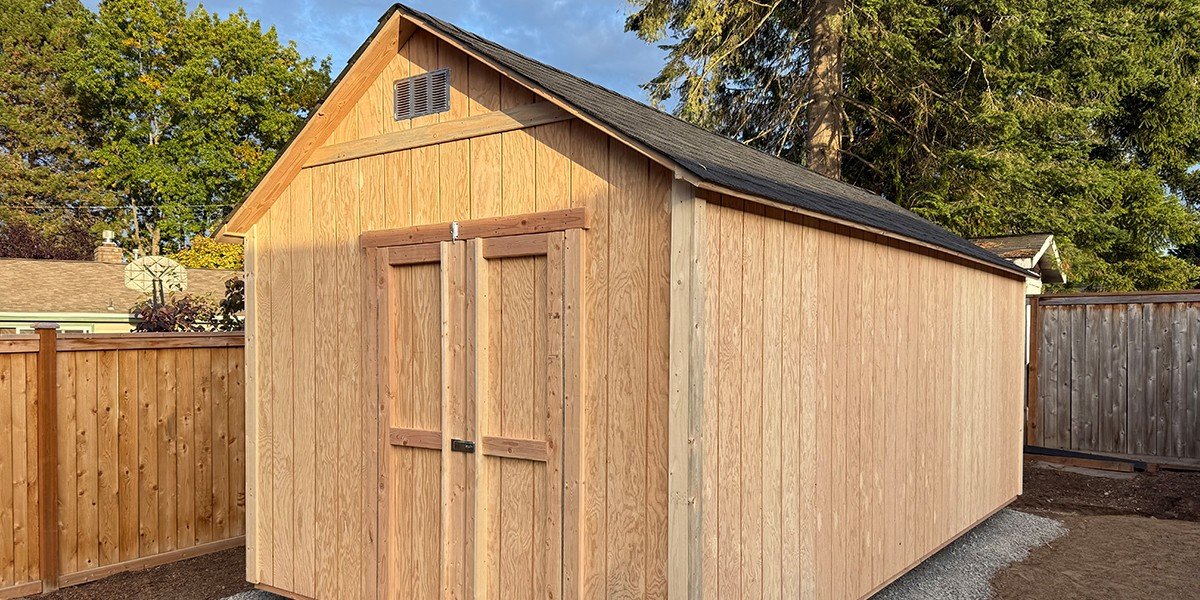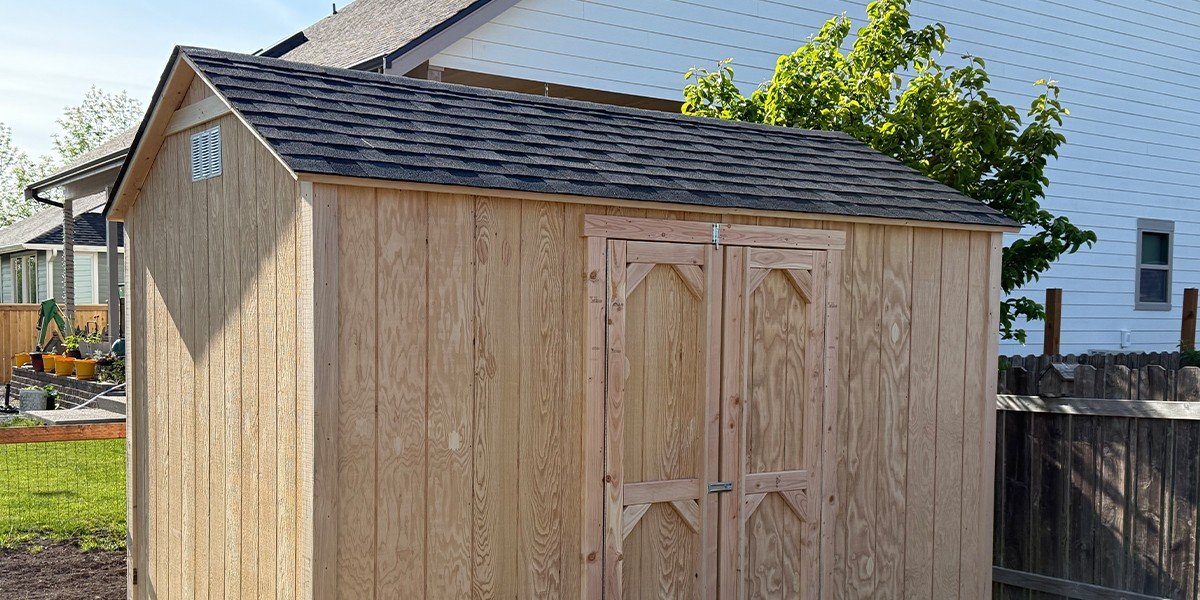
Rain, fluctuating temperatures, poor drainage, and unsuitable building materials can gradually weaken an outdoor storage shed. Even a well-designed structure may develop moisture problems, unstable flooring, or premature wood deterioration if its foundation and installation are not properly planned. For homeowners, understanding how design and construction choices affect durability can help protect stored belongings and reduce long-term maintenance.
This guide explains how shed design, material selection, foundation preparation, weather protection, and professional installation contribute to a durable wooden storage shed in Washington. Keep reading.
How Does Custom Shed Design Improve Structural Durability?
Custom shed designs improve durability by allowing homeowners to select appropriate dimensions, framing, roofing, ventilation, and storage features for their property and intended use. When these elements work together, the structure can better withstand environmental exposure, accommodate stored equipment, and remain functional with routine maintenance.
A thoughtfully planned shed begins with its purpose. Garden tools, lawn equipment, bicycles, and seasonal belongings have different storage requirements. Matching the shed’s dimensions and interior layout to these needs helps prevent overcrowding and makes everyday access easier.
Structural considerations also matter. Properly sized framing members, suitable roof supports, and appropriate connections help the shed withstand expected loads. The design should account for local weather conditions and the building materials’ capabilities.
Key design considerations include:
- Framing: Appropriate lumber dimensions and sound connections support structural stability.
- Roof pitch: A suitable slope encourages rainwater runoff and reduces standing water.
- Ventilation: Strategically positioned vents help manage moisture and condensation.
- Storage layout: Planned shelving and door placement improve accessibility without obstructing movement.
These decisions help homeowners invest in a structure designed for practical use and long-term performance.
Which Materials Help Wooden Sheds Withstand Washington Weather?
Material selection influences how well a wooden shed handles repeated rainfall, moisture exposure, and seasonal temperature changes. Weather-resistant construction materials, suitable exterior finishes, and properly installed roofing help limit deterioration. However, durability depends on the complete building system rather than on any single material.
Wood remains a practical option because it can be customized to accommodate different property layouts and storage requirements. Its performance depends on the wood species, grade, treatment, exposure, and maintenance.
For improved protection, homeowners should consider:
- Pressure-treated lumber: Appropriate applications can help protect vulnerable wood components from decay.
- Exterior-grade siding: Suitable siding and protective coatings help limit moisture penetration.
- Durable roofing: Properly installed roofing materials help direct rainwater away from the structure.
- Corrosion-resistant fasteners: Compatible fasteners help reduce premature connection failure in exposed conditions.
Routine inspections are equally important. Damaged coatings, loose roofing components, and deteriorating sealants should be addressed before minor issues develop into costly repairs.
Why Does Foundation Preparation Matter During Shed Installation in Seattle, WA?
A properly prepared foundation provides a stable base for a shed, supports its intended loads, and helps maintain alignment over time. In Seattle, where rainfall can create challenging drainage conditions, site preparation should account for soil stability, water runoff, ground slope, and the selected foundation system.
Poor preparation can contribute to uneven floors, shifting supports, sticking doors, and moisture exposure near the shed’s base. These problems may affect both structural performance and everyday usability.
Professional installation typically begins with evaluating the proposed location. The installer can identify uneven ground, potential drainage issues, access limitations, and other site-specific concerns.
Important preparation steps include:
- Assessing the site: Examine slope, soil conditions, drainage patterns, and access.
- Establishing a level base: Prepare a foundation appropriate for the shed’s size, weight, and intended use.
- Managing runoff: Direct water away from the foundation and surrounding structure.
- Checking alignment: Confirm that the base supports the shed evenly before construction proceeds.
The appropriate foundation may vary with site conditions, structural requirements, and local regulations. Homeowners should confirm whether permits, setbacks, or additional approvals apply to their project.
How Do Professional Installation Practices Extend Shed Lifespan?
Professional installation helps bring the design together through accurate measurements, secure connections, proper material placement, and attention to weather protection. For homeowners considering custom shed designs in Washington, coordinating design specifications with installation requirements can help prevent avoidable construction issues.
Built-on-site construction also allows the installer to work with the property’s access conditions and the shed’s planned dimensions. This approach can be particularly useful when a customized layout or specific door and window placement is required.
During installation, attention should be given to roof flashing, exterior joints, door alignment, fastener placement, and the separation of vulnerable wood components from persistent ground moisture. These details help reduce opportunities for water intrusion and premature deterioration.
Homeowners should also discuss installation conditions, material specifications, expected maintenance, and any applicable warranty coverage before work begins.
What Maintenance Practices Help Wooden Sheds Last Longer?
Even a well-constructed shed requires regular care. Maintenance helps identify developing problems early, protects exposed materials, and preserves the structure’s functionality.
A simple seasonal inspection can make a meaningful difference.
- Inspect the roof: Look for damaged shingles, loose panels, and compromised flashing.
- Check drainage: Remove debris from gutters, where installed, and ensure water drains away from the shed.
- Examine exterior wood: Look for peeling finishes, cracks, soft spots, and signs of decay.
- Maintain ventilation: Keep vents clear to encourage airflow and help manage condensation.
- Check doors and hardware: Address sticking doors, loose hinges, and alignment problems promptly.
Maintenance frequency depends on material specifications, exposure, and manufacturer recommendations. Addressing small defects early is generally more manageable than repairing widespread deterioration.
Build a Shed Designed for Long-Term Performance
Choosing the right design and installation approach helps homeowners create storage space that works with their property and local conditions. Northwest Sheds provides built-on-site wooden storage sheds tailored to individual requirements, including size, layout, doors, windows, and shelving.
For homeowners exploring custom shed installation Seattle WA, combining practical design, suitable materials, and careful site preparation can support dependable performance for years to come. Explore custom shed options with Northwest Sheds to plan a storage solution that fits the property, protects valuable belongings, and meets every day needs.